Overview
When I took over video at Beefree in April 2023, nobody owned it. Quality and branding changed from one video to the next, and there was no set way to ask for one, review it or find it later.
Leadership asked me to grow awareness on YouTube, help customers learn the product, support launches and Sales, and put a real workflow in place. I was the only video person, with design help for thumbnails, so I built the engine first and filled it second.
The problem
- No front door. Requests arrived through any channel, at any time, with no way to tell what mattered most.
- No quality bar or brand. Videos didn’t look or sound like they came from the same company.
- No clear owners. Nobody knew who had the final say, so feedback came from everywhere.
Making more videos wouldn’t fix that. A team of one can’t out-work a broken process.
The approach
Help, don’t promote
The videos people actually watched answered one specific question in under four minutes, often without our name in the title. So every script led with what a feature lets you do, not where the buttons are.
Put video where people get stuck
More than 40% of our video traffic came from outside YouTube before we had really embedded anything. That made the case for video in the help centre, the app and onboarding, and our customer experience (CX) team started embedding it in help articles.
Be there when people look
We also published beyond YouTube: on the website, in the app, in the Academy and on social. That built our authority and meant the answer was there wherever someone went looking. It also made help more accessible, because customers could choose to watch an answer instead of reading it.
Building the engine
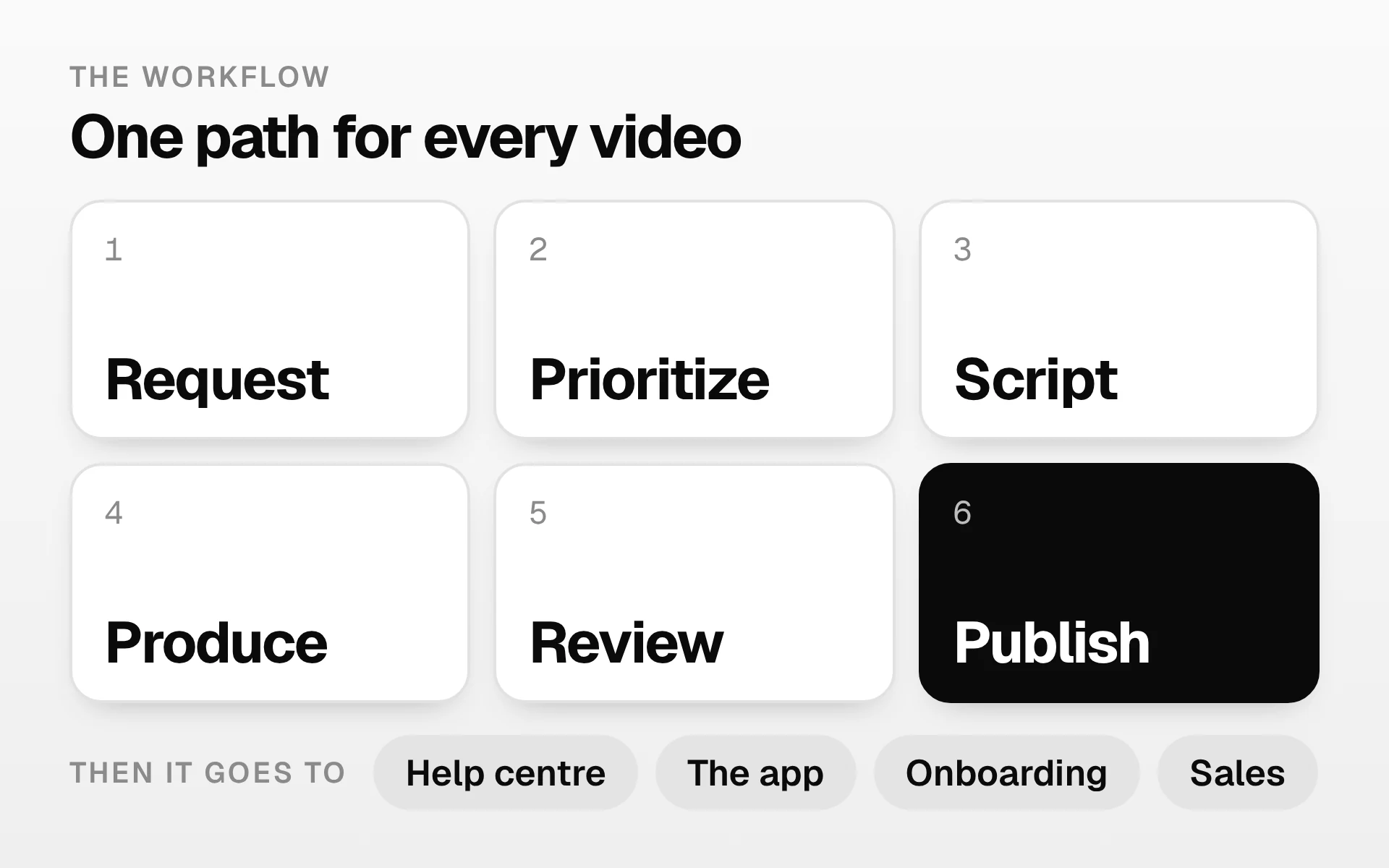
- One front door. Every request went through a single request form in our project-tracking tool, ranked by importance and my capacity.
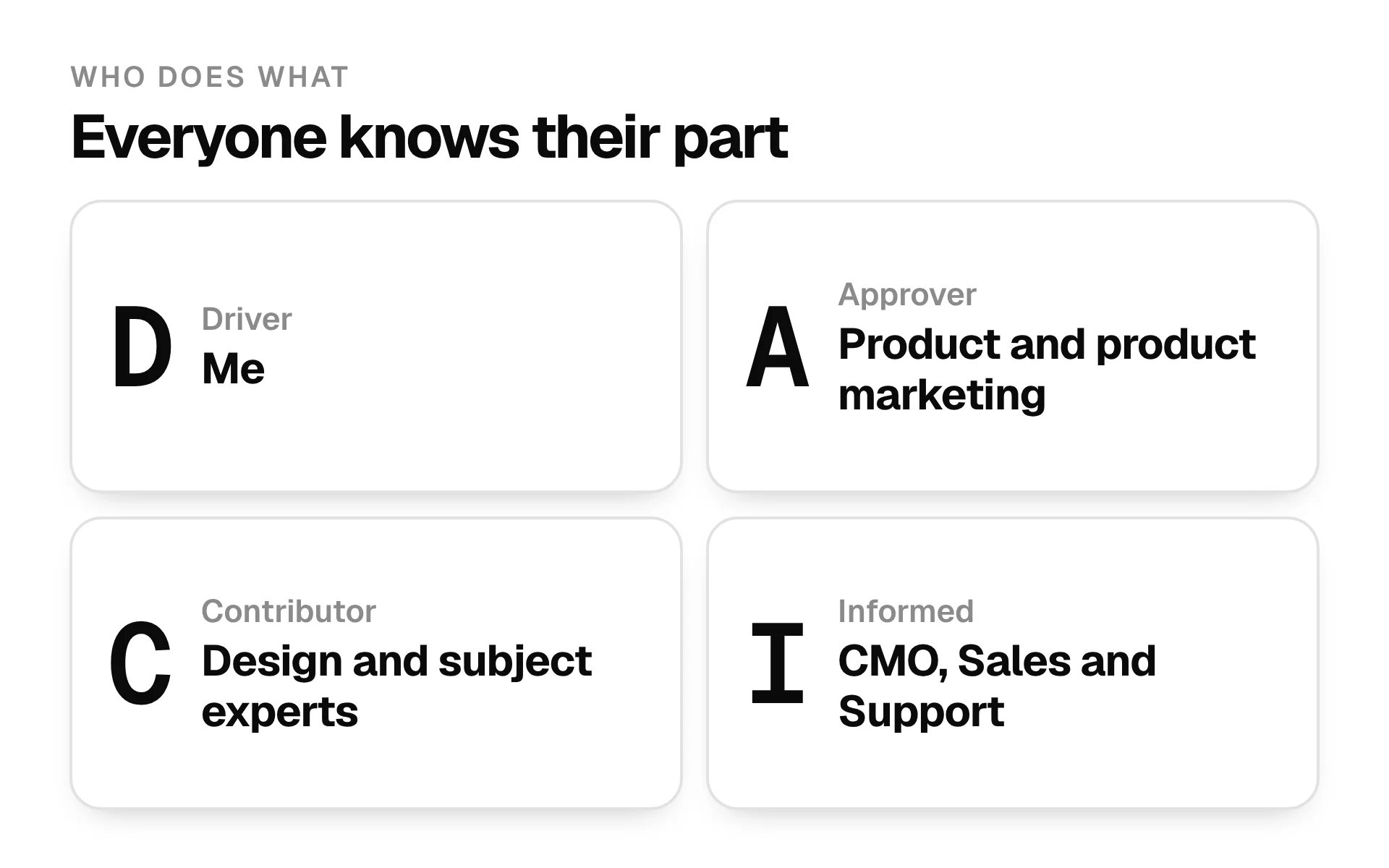
- Clear owners. An SOP (standard operating procedure: the written steps for making each video) and a DACI matrix (Driver, Approver, Contributor, Informed: who does what) set the steps, lead time and roles for each video type. I drove, Product and product marketing signed off, and our CMO stayed in the loop.
- One home for assets. A digital asset management system (a central library for all our media), the first the company had, kept drafts, feedback and final files in one place.
- A visible quality bar. 4K, consistent branding, motion graphics and professional voiceover, plus guides so teammates could meet the same standard.
Decide what not to make
I split the video needs of the SDK team (the developer side of the product; SDK stands for software development kit) into tiers. Formal product education came to me, while quick tutorials, GIFs and screenshots were theirs to make, and they made them regularly. That kept the work polished without making me a bottleneck.
The work
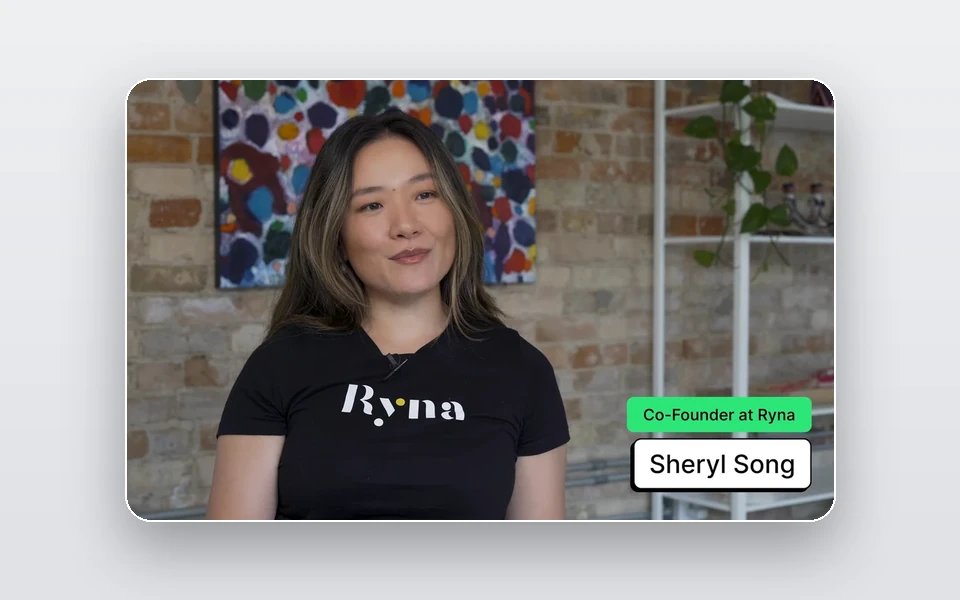
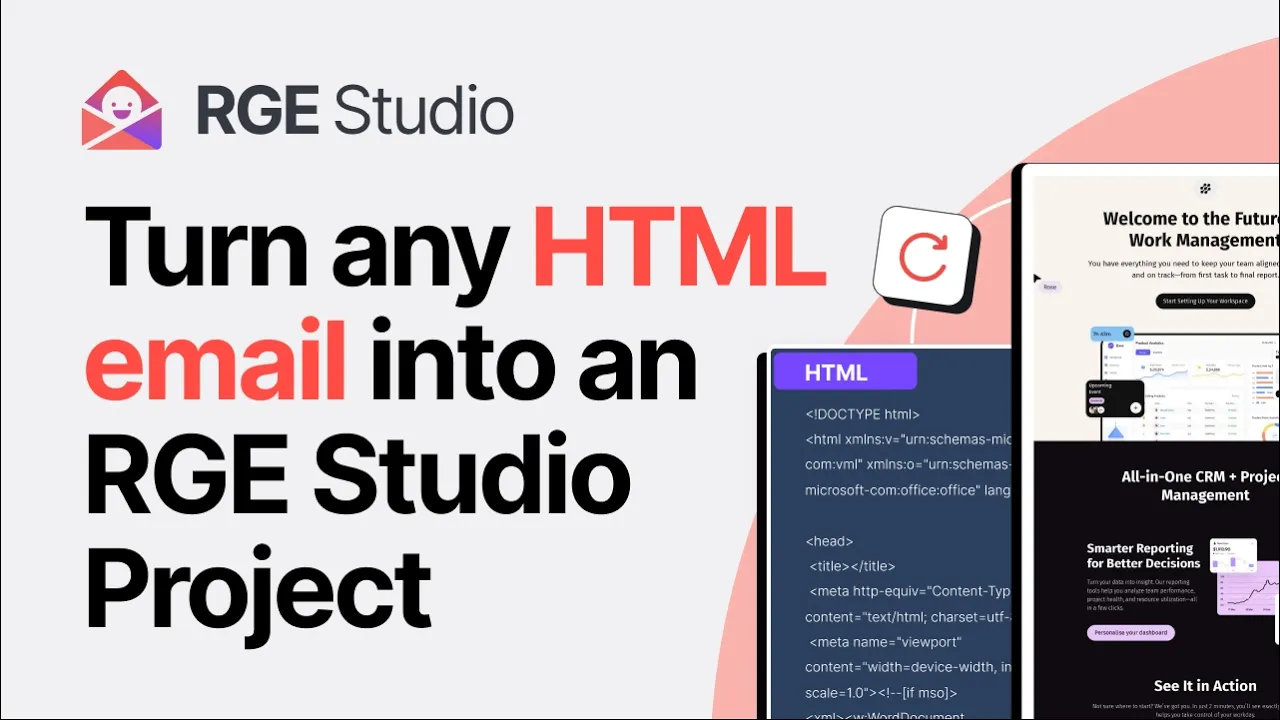
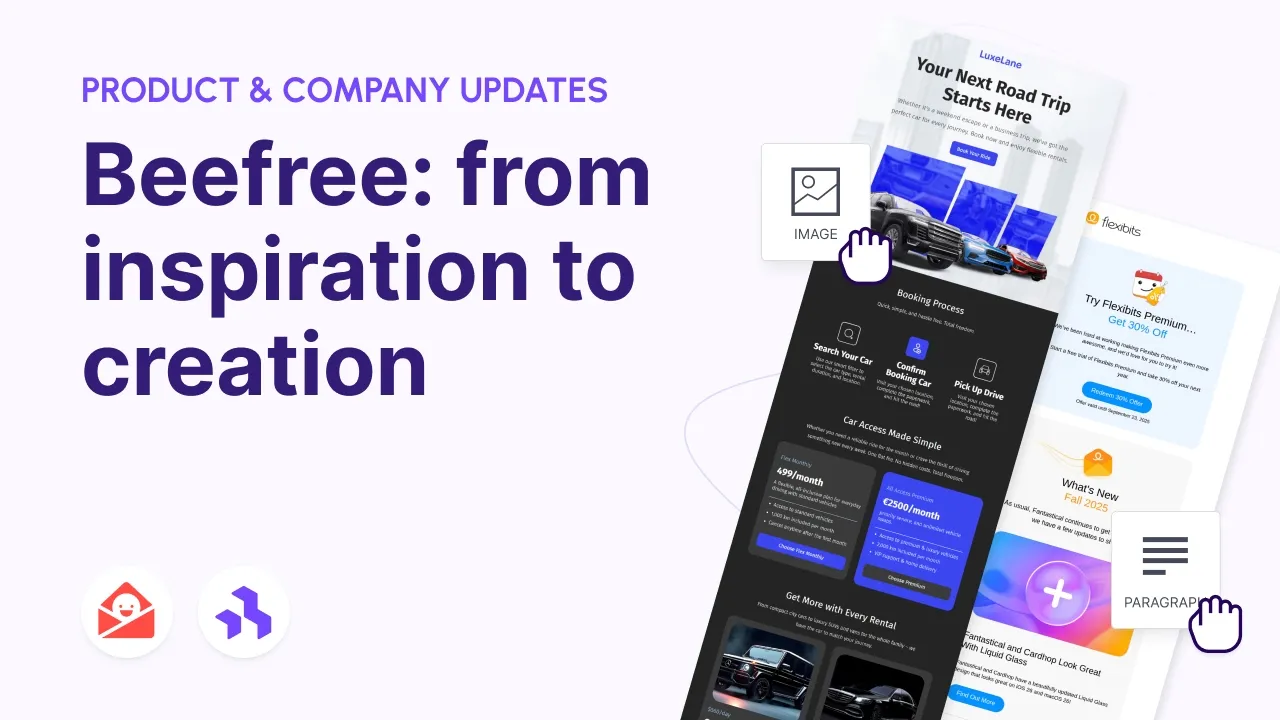
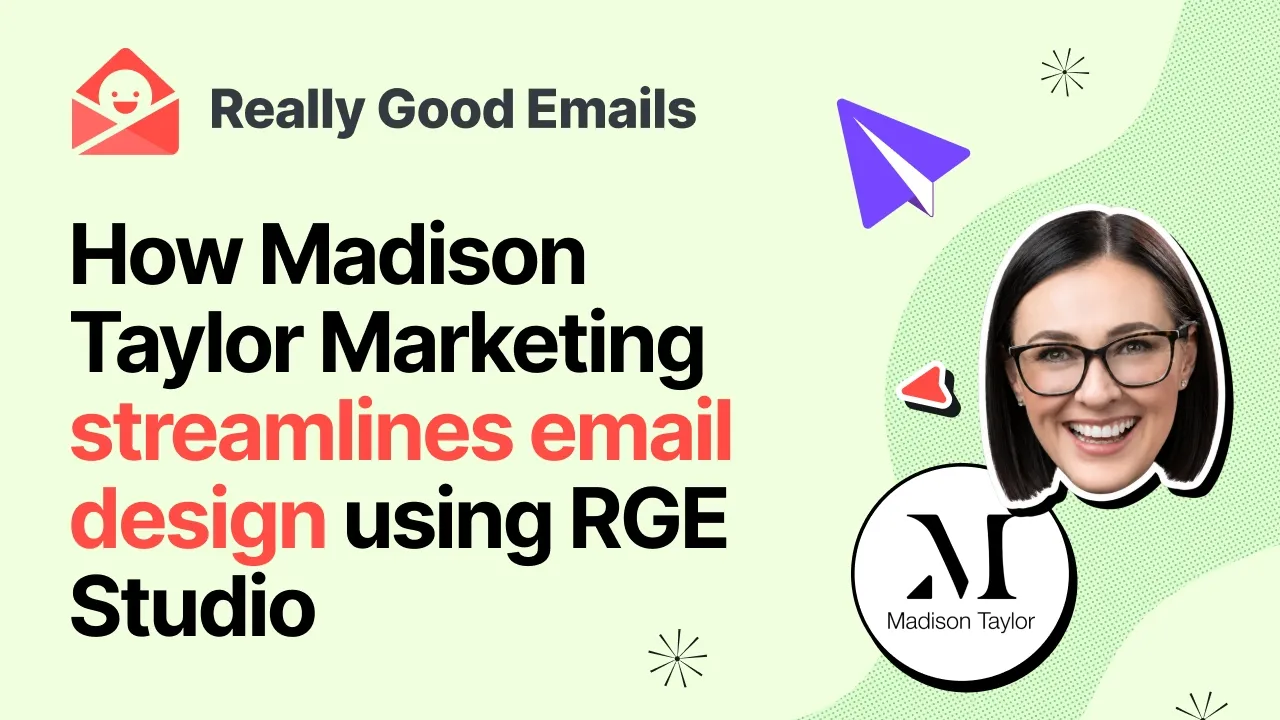
A tutorial that lives everywhere from YouTube to in-app tooltips, the brand’s hero video and a customer story Sales took into deals.
Impact
- A library of 138 videos published since April 2023, all made to the same 4K quality standard.
- One of our highest-performing sign-up sources. YouTube became one of the top places new Beefree users came from.
- Customers got unstuck on their own. Videos in help articles and in-app tooltips met people at the moment they needed help, and helped teams onboard.
- Sales had proof on hand. Customer stories and explainers went straight into decks and follow-ups.
- A standard DACI for every video. Driver, Approver, Contributor, Informed. One person drives, one approves, others contribute and the rest stay in the loop, so every video runs through a proper system with clear ownership.
- A smoother process. Faster turnaround, fewer review rounds, better prioritization and consistent quality.
Takeaways
Build the engine before you fill it. With a team of one, the process is your extra headcount.
Help, don’t promote. Videos that solved a specific problem did more for the brand than videos about the brand.
Embed video sooner. If I did it again, I’d put video in help docs and the app from day one, because people were finding our videos outside YouTube long before that was a strategy.